Beyond the Object: How Private Luxury Sourcing Becomes a Language of Personal Style
The most meaningful luxury acquisitions do more than complete a wardrobe. They express proportion, discretion and personal identity. Discover how global sourcing and thoughtful customization can turn a rare object into a lasting signature.
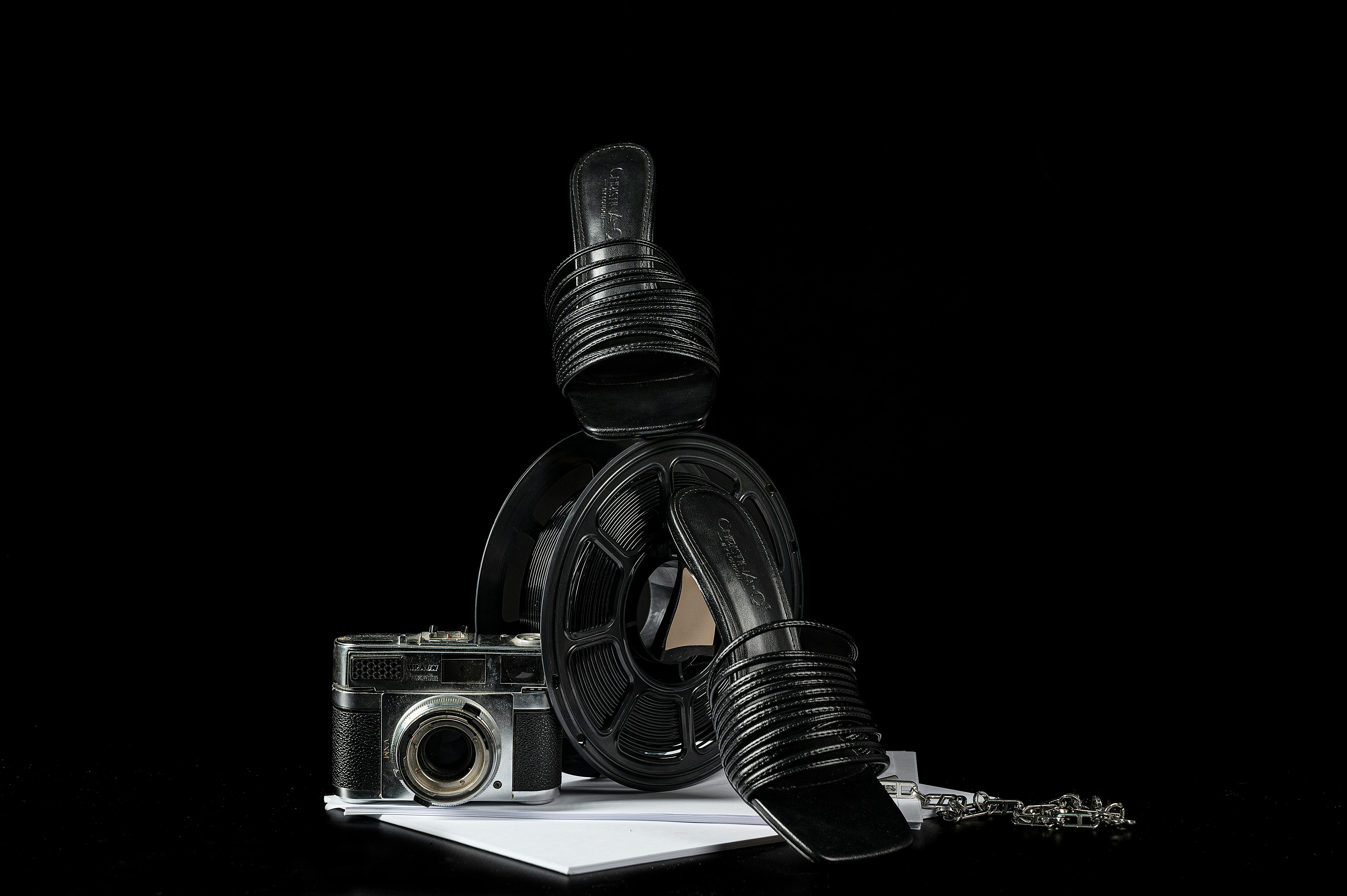
Luxury is often described through scarcity: a limited edition, a difficult-to-find material, an exceptional maker or a piece that is no longer available through ordinary retail channels. Scarcity matters, but it is not the whole meaning of a luxury acquisition. The more important question is whether an object belongs naturally within the life, image and ambitions of the person who chooses it.
This is where private luxury sourcing becomes more than a search for products. It becomes a disciplined form of personal image and style advisory: a way to identify, refine and commission items that reflect individual taste and status without relying on obvious display.
The object is only the beginning
A distinctive watch, accessory, garment, travel piece or collectible can be visually impressive and still feel misplaced. The difference between possession and personal signature lies in context. How will the item be worn, carried, presented or used? Does its proportion suit the client? Does its material language belong to an established wardrobe? Can it move between private settings, international travel, professional occasions and personal rituals without losing its relevance?
For a client seeking a truly unique item, these questions are not secondary. They define the brief before the search begins. A successful sourcing process therefore starts by understanding the person rather than by presenting a catalogue.
At VERTU England, the idea of Global Exclusive Luxury Product Sourcing and Customization is positioned around this principle. The service is designed for clients who want an acquisition to feel considered, individual and quietly unmistakable. The objective is not simply to locate something expensive or rare. It is to help identify an object that is coherent with the client's personal image and capable of carrying meaning over time.
Why a global network needs a personal point of view
International access can expand the field of possibility, but access alone does not create good judgment. Publicly described luxury sourcing models show that the wider service landscape may include strategic sourcing, brand relationships, logistics, compliance and authenticity processes. Other advisory models extend from design and material selection through development and manufacturing.
Private B2B channels may also structure access around approved clients, in-house verification and specialist supply relationships.
These capabilities are valuable because the global luxury market is fragmented. Availability, condition, production standards, regional pricing, delivery requirements and customization options can vary significantly from one market to another. Yet the client does not need more complexity. The client needs complexity to be translated into a clear decision.
That translation is the role of an Exclusive Luxury Sourcing Agent. The agent filters possibilities through a personal standard: the client's preferred silhouette, degree of visibility, material preferences, lifestyle, collection logic and tolerance for compromise. The result is a more focused search, with fewer distractions and a clearer reason for every recommendation.
From preference to specification
A private sourcing request is strongest when it moves beyond broad labels such as classic, rare or premium. These words describe aspiration, but they do not yet provide enough direction for a global search. A more useful brief identifies the visual and practical details that make an item feel right.
| Personal dimension | Questions that sharpen the brief |
|---|---|
| Proportion | What scale, silhouette or presence feels natural to the client? |
| Material language | Which leathers, metals, textiles, finishes or textures feel authentic to the client's image? |
| Visibility | Should the item communicate recognition immediately, or reward closer attention? |
| Context | Where will the item be used: travel, business, private entertaining, collecting or formal occasions? |
| Longevity | Is the priority current distinction, enduring design, collectability or future adaptability? |
| Customization | Which details should be adjusted, commissioned or reserved for a truly personal result? |
This stage is not administrative. It is interpretive. It gives the sourcing process a point of view and allows the final recommendation to be evaluated against something more meaningful than availability.
The quiet value of customization
Customization is sometimes treated as a decorative layer added after a product has already been chosen. At its most considered, however, customization is a form of alignment. It can refine a proportion, introduce a preferred material, adapt a detail to a particular use or create a visual relationship between a new acquisition and the client's existing style.
The best customization is rarely excessive. It does not need to announce the labor behind it. A discreet change in finish, hardware, lining, color balance, monogram placement or functional detail can be more powerful than a conspicuous intervention. The purpose is not to make an item louder. It is to make it more exact.
This is why sourcing and customization should be treated as one conversation. If the search is separated from the client's personal context, customization becomes an afterthought. When both are considered together, the final item has a stronger chance of feeling inevitable: not merely acquired, but chosen with intention.
A more deliberate client journey
A private luxury service should create confidence without unnecessary performance. The process can remain discreet while still being structured and transparent. In practice, a considered engagement may follow five connected stages.
First, the client's taste, lifestyle and intended use are translated into a private style brief. Second, the brief is tested against relevant markets, suppliers, makers and available pieces. Third, a focused selection is presented with clear distinctions between confirmed information, professional assessment and elements that require further verification.
Fourth, customization or commissioning options are explored according to feasibility, timing and the integrity of the object. Finally, the selected piece is coordinated through the required documentation, delivery and aftercare considerations.
The value of this approach is not measured by the number of options presented. It is measured by the quality of the reduction. A client should leave the process with a stronger understanding of why a particular item belongs in their world, what compromises were avoided and which details make the result personal.
B2B and B2C, connected by judgment
The same principles can support both private clients and professional partners. For B2C clients, the emphasis is personal identity, discretion and a more exact relationship between the object and the individual. For B2B clients, the emphasis may be range coherence, customer relevance, sourcing efficiency and the ability to develop a distinctive offer.
The underlying requirement is similar: a luxury product should have a reason for being selected. Public examples of the sector demonstrate how sourcing services can support businesses across wholesale, retail, marketplaces and private-client channels, while consultancy and material expertise help shape a product before it reaches production. A reliable advisory model connects operational knowledge with aesthetic judgment rather than treating them as separate disciplines.
The signature is in the restraint
Personal style does not depend on owning the most visible item in the room. It depends on consistency: a coherent way of choosing materials, silhouettes, colors, objects and experiences. That consistency creates recognition without requiring explanation.
Global Exclusive Luxury Product Sourcing and Customization is therefore best understood as an exercise in precision. It gives clients access to a wider world of possibilities while preserving the discipline to choose selectively. It respects rarity, but does not confuse rarity with relevance. It values craftsmanship, but also asks whether craftsmanship serves the client's life. It embraces customization, but keeps the final result proportionate, discreet and unmistakably personal.
The most memorable luxury object is not always the one that attracts the fastest attention. It is often the one that feels completely at home with its owner. That is the standard private sourcing should pursue: not accumulation, but alignment; not novelty alone, but a lasting language of personal style.
A private invitation to begin
For clients seeking a truly unique item, the first step is not to ask what is available. It is to define what would be meaningful. With a clear personal brief, global sourcing intelligence and a thoughtful approach to customization, the search can become more than a transaction. It can become a precise extension of identity.
VERTU England's Global Exclusive Luxury Product Sourcing and Customization service is intended for clients who value individuality, discretion and considered access. Each request should be assessed according to the item, market, availability and customization requirements involved.